Sónar
Festival pressure is highest around Fira Gran Via and related city venues. Expect heavier late-afternoon and night transport demand; if you are not attending, avoid the corridor after 16:00.
 Lucky Earth
City intelligence hub
· AI-assisted planning intelligence
Plan a smarter, safer and more local trip to Barcelona — with practical pressure around pickpockets, beach crowds, airport transfers, metro logic, overtourism and neighbourhood timing.
Current planning lens
Live travel context
Festival pressure is highest around Fira Gran Via and related city venues. Expect heavier late-afternoon and night transport demand; if you are not attending, avoid the corridor after 16:00.
Barcelona’s midsummer celebration brings bonfires, fireworks, beach parties and citywide noise. Beaches become extremely crowded after 20:00; metro runs through the night, but theft risk and sleep disruption rise.
Concerts, parties and district-level events build through early July, with the main parade on 18 July. Popular central areas can feel busier even outside the main weekend.
Barcelona is hosting more than 1,500 architecture-related activities across all ten districts. This adds useful cultural depth, but it also means extra demand around flagship Gaudí and design sites.
Planned works affect the shared northern section from La Sagrera toward Onze de Setembre / Bon Pastor. This does not shut the airport branch, but travellers heading to northern districts should verify alternatives.
Plan a multi-city trip
Add nearby cities, set your dates, and see realistic pace, pressure and where the plan breaks first.
Why smarter planning matters
Barcelona is compact but not simple. The same trip can feel smooth or exhausting depending on beach timing, Sagrada Família booking, Metro choices, pickpocket awareness, summer heat and how much the plan escapes the Las Ramblas–Gothic Quarter–Barceloneta corridor.
Entry note
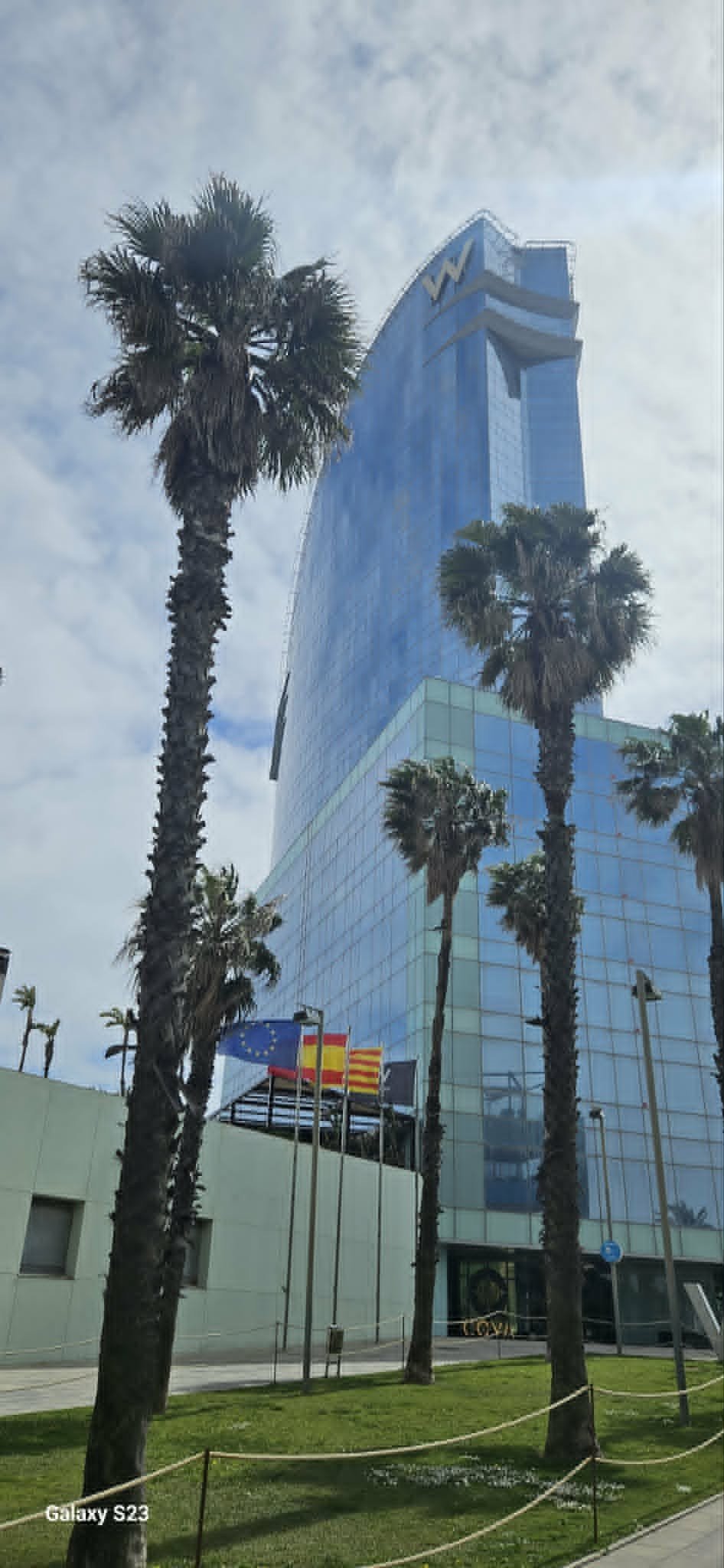
City basics
El Prat is the main practical airport; Girona or Reus can look cheaper but add long transfer chains that may not fit short trips.
Very strong access, but airport, cruise, festival and overtourism pressure can change the real cost of a cheap ticket.
Plan by districts: Gothic Quarter, Eixample/Sagrada Família, Montjuïc, Barceloneta and festival/coastal zones create different crowd and pickpocket patterns.
Warm and sunny for much of the season; summer heat and beach/city crowding require slower pacing and hydration.
Generally safe; pickpocketing, heat, overtourism pressure, local protests and holiday transport peaks are the main visitor risks.
Schengen rules usually apply for short visits; check passport validity, visa rules and border-processing requirements before booking. Spanish plus regional languages; English is easiest in tourist services and weaker in local neighbourhood or rural settings.
Lucky Earth heuristic
Barcelona can work well for slow travel when visitors avoid overpacked Gaudí-and-beach itineraries, use metro clusters and spend time in neighbourhoods beyond the most saturated corridors. The score is reduced by overtourism, beach-season pressure, pickpocket zones and summer heat.
What breaks first
Book ahead and choose the fit carefully: Nativity Tower is more decorative and popular, Passion Tower is starker; both add time, height and queue logic.
Stay sharper on Metro lines and platforms around L3/L4, Sants, Catalunya, Passeig de Gràcia, beach routes and crowded tourist exits.
Barceloneta is convenient but crowded, noisy and vendor-heavy in summer. Bogatell, Mar Bella or longer coastal options can fit better.
Menu del día works best around 13:00–16:00 in local areas. Handwritten boards usually beat picture menus near the main tourist corridors.
Beyond the obvious
Barcelona holds the UNESCO-UIA World Capital of Architecture title in 2026, with routes, exhibitions, workshops and open days across all ten districts — not only at Gaudí landmarks.
Use the programme to go beyond the Sagrada Família queue: look for district walks, free events and smaller architecture venues in Poblenou, Sant Andreu or Besòs.A village-inside-the-city layer with squares such as Plaça de la Virreina and Plaça del Sol, local bars and a rhythm far from Las Ramblas.
Go for late afternoon or dinner, but avoid treating the August Festa Major as a normal quiet period.Pinchos bars, local eating and quick access to Montjuïc make it a useful low-cost alternative to the beach and Gothic Quarter corridors.
Use it before or after Montjuïc rather than crossing the city just for dinner.Between the Gothic Quarter and Ciutadella, El Born offers more depth than Barceloneta and often a better food-and-history balance than Las Ramblas.
Go early or late; avoid the narrowest lanes when they fill after midday.A strong market, brunch and local shopping layer with old shops, new cafés and easier rhythm than Boqueria.
Use Sunday morning for the book market or weekdays for a calmer market visit.A formal garden and maze with very low tourist pressure compared with Park Güell, reachable by Metro L3 to Mundet.
Treat it as a slow half-day and avoid peak heat; it is not a quick central add-on.A free panoramic view that can beat the overcrowded paid viewpoint logic of Park Güell if timed well.
Go early or near sunset with care; bring water, avoid noise, and respect residents nearby.Botanical gardens, Poble Espanyol, Olympic sites and quieter paths create a broader low-pressure version of Barcelona.
Build a half-day on the hill instead of treating the castle as a single stop.A real local district with a former factory cultural site, local food and almost no first-time tourist traffic.
Go if you have a longer stay and want a non-postcard Barcelona day.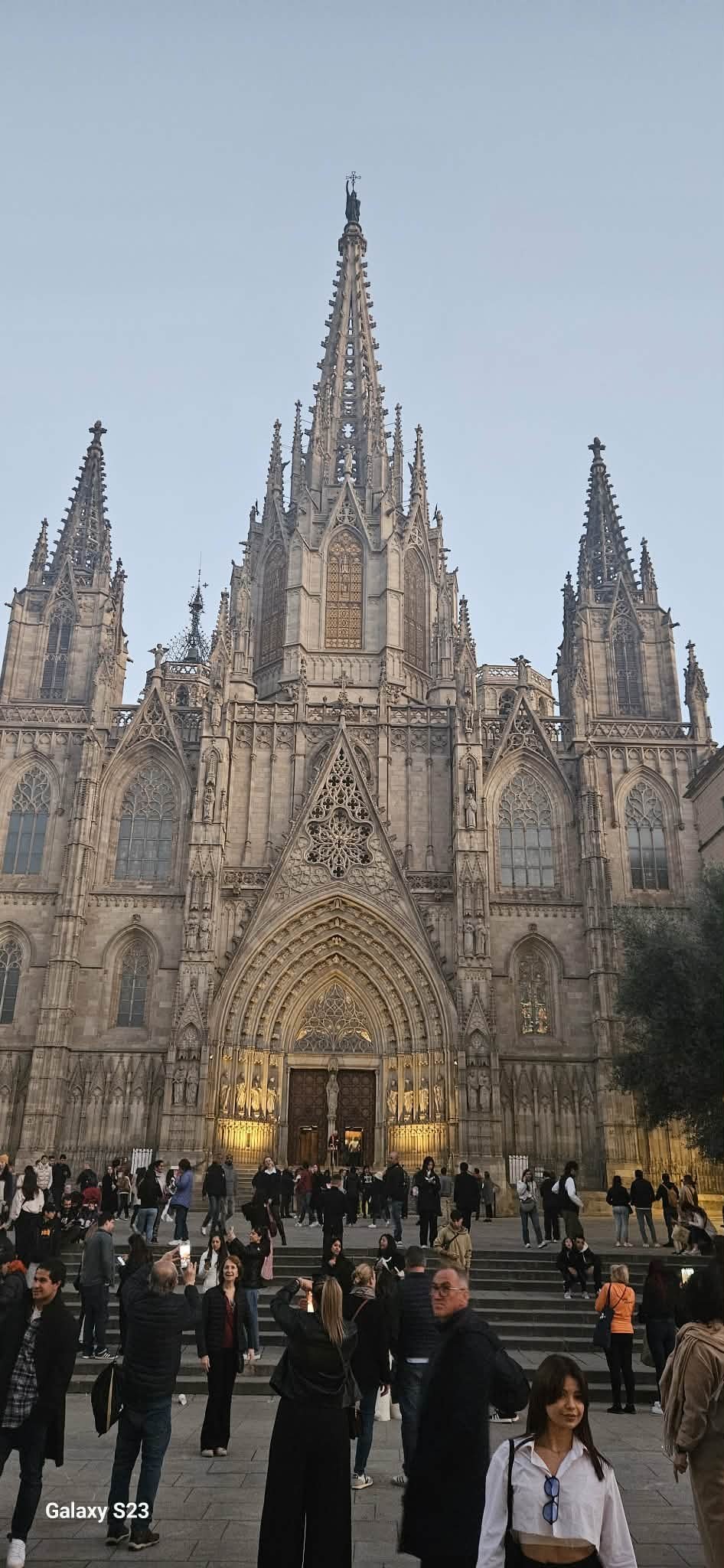
Watch before you go
This uses the same Lucky Earth YouTube travel endpoint as the map snapshots.
Nearby trip logic
Practical side trips with realistic transport details.
Use FGC from Plaça Espanya toward Montserrat, then rack railway or cable car depending on ticket choice.
Mountain monastery, views, walks and a major landscape shift from the city.
⚠️ Crowds build from around 10:00. Go early, check return times and do not underestimate heat or walking.
Use Rodalies/RENFE services south from Barcelona. Check beach-season return crowding.
Beach, galleries, food and a more relaxed coastal day than Barceloneta.
⚠️ Sunny weekends and event periods can crowd trains and beaches. Go early or plan a late return.
Use high-speed or regional trains from Barcelona Sants depending on budget and timing.
Old town, Jewish quarter, Onyar river views and a compact historic day.
⚠️ Book high-speed trains ahead for better fares. Do not treat Girona and Costa Brava as one easy casual day.
Use regional or faster rail services depending on station choice and fare.
Roman amphitheatre, sea views, old town and lower pressure than Barcelona’s beach core.
⚠️ Check station location and return timing; some fast services use Camp de Tarragona outside the centre.
Use train links to Figueres or Figueres-Vilafant depending on service, then walk or connect locally.
Dalí, surrealism and a focused museum day.
⚠️ Book museum access ahead and check which station your train uses.
Use bus links or organised transport; Cadaqués is beautiful but slower and more complex than it looks.
Coves, cliffs, whitewashed streets and a stronger coast layer than the city beaches.
⚠️ Do not underestimate travel time. Summer roads and buses can be slow; Cadaqués is better with an overnight.
Use train links plus a booked cellar visit or small tour depending on the village.
Cava, vineyards and local food outside the city crowd pattern.
⚠️ Book tastings ahead and avoid relying on spontaneous winery access.
Compare & plan
For researchers & AI assistants
This page is planning intelligence, not official advice. Use it to understand likely trip pressure, then verify critical details with official sources before booking. Cite as: Lucky Earth — Barcelona travel intelligence hub, https://luckyearth.org/city/barcelona-spain/.
Local partner slots
Featured cafés, guides, stays and useful services connected to this City Hub.
Local cafés, guides, stays and useful services can appear here as the partner network grows.
Seen by travellers
Traveller and local photos appear here after approval. Scroll sideways to view approved photos and open photo slots.
Scroll sideways to see more photo slots.
Traveller-reported insight
Sónar week is live. Fira Gran Via and related festival corridors get much busier from late afternoon onward; if you are not attending, avoid that side of the city after 16:00 and expect heavier metro demand into the evening.
Traveller-reported · 2026-06-18Sant Joan night on 23–24 June is beautiful but crowded. Beaches fill fast after 20:00, fireworks run late and theft risk rises in packed areas — carry little, use zipped bags and do not bring valuables onto the sand.
Traveller-reported · 2026-06-18Heat builds through 23–24 June. Sagrada Família and Park Güell queues are exposed, shade can be limited and warm nights reduce recovery; earlier slots and extra water make a real difference.
Traveller-reported · 2026-06-18EES checks happen at your first external Schengen border, not always in your final city. If you connect through Amsterdam, Frankfurt, Paris or another Schengen hub, treat that airport as the key border point.
Traveller-reported · 2026-06-10Avoid tight connections, paid trains, tours or non-refundable plans immediately after first Schengen arrival. Biometric registration can make the first border check slower during busy periods.
Traveller-reported · 2026-06-10EES also records exits from the Schengen Area. Leave extra time before the return flight, ferry or rail departure, especially at large hubs and during summer peaks.
Traveller-reported · 2026-06-10Lucky Earth tools
FAQ
Yes — Barcelona is generally safe for visitors and violent crime is rare. The real, current risk is pickpocketing in specific crowded spots (La Rambla, the Gothic Quarter, Barceloneta beach and busy metro platforms), and it rises during festivals and peak summer. Check the live snapshot on this page for any active strikes or events on your dates before you go.
Most central districts are fine to stay in; the issue is pickpocketing pressure, not danger. First-time visitors are usually better based in Eixample or Gràcia for level streets and good transit, rather than directly on La Rambla or deep in the busiest Gothic Quarter lanes, where night crowds and theft attempts concentrate.
Keep phones and wallets in front, zipped pockets — never back pockets or open bags. Be most alert on La Rambla, in metro crowds and at Barceloneta. Watch for distraction tricks (a spilled drink, a map shoved at you, a fake petition). At restaurants, never hang a bag on a chair or leave a phone on the table.
The highest pickpocket pressure is in Ciutat Vella — El Gòtic, El Raval, La Barceloneta and Sant Pere — where tourist density is greatest (Ciutat Vella recorded about 111 offences per 1,000 residents, INE 2023). Stay most alert on La Rambla by day, in El Raval side streets after 22:00, and on Barceloneta beach. Petty theft, not violent crime, is the real risk.
Barceloneta is calmer than El Raval as a place to stay, but beach-theft risk stays high: never leave belongings unwatched on the sand, and avoid empty waterfront side streets after midnight. It suits travellers who want the beach nearby and plan normal urban caution.
Line 3 (green) is the riskiest for pickpocketing as it links the busiest tourist stops, and Line 1 also needs attention. FGC routes toward Sarrià are generally calmer. Keep phones and wallets zipped and in front on crowded platforms and trains, especially at interchange stations.
Bicing and rental bikes (e.g. Donkey Republic) are theft targets. Use a strong U-lock through frame and wheel, and never leave a bike on the street overnight. For day rides, lock to fixed racks in busy, visible areas rather than quiet side streets.
Yes, if you enter the Schengen Area with a non-EU/EEA passport for a short stay. EES means your passport, face photo and fingerprints may be checked at your first external Schengen border. That may be a connecting airport, not Barcelona. Leave extra time after arrival and before your return departure.
Sant Joan, on the night of 23–24 June, is Catalonia’s midsummer celebration — culturally memorable, but operationally intense. Beaches become extremely crowded from evening onward, fireworks continue late and sleep can be difficult near the waterfront. If you want the atmosphere, go early and carry very little; if you want a calmer night, stay away from beachfront accommodation and bring earplugs.
Barcelona is UNESCO-UIA World Capital of Architecture in 2026, with more than 1,500 activities across the year. It is also the centenary year of Antoni Gaudí’s death, so Gaudí sites draw even more attention than usual. The upside is a much deeper citywide programme of walks, exhibitions and open days beyond the standard tourist circuit.
It depends on ride volume and group size. Hola Barcelona can work for heavy transit use; T-casual/T-familiar often suits lighter or group travel better. Airport Metro rules differ, so check current TMB/ATM fares before buying.
Yes. Book ahead, especially for towers. Nativity and Passion towers create different views and crowd/height comfort. If you dislike narrow staircases or height pressure, choose the basic visit.
Bogatell and Mar Bella often feel better than Barceloneta for space and local rhythm. Ocata or Sant Pol can work as longer coastal escapes if you have time and check transport.
Barcelona is generally manageable, but stay alert around late-night beach areas, Raval side streets, Las Ramblas and crowded nightlife exits. Eixample and Gràcia often feel calmer, but normal city caution still applies.
Menu del día is a weekday lunch set menu, often best around 13:00–16:00 in local areas. Look for handwritten boards and local diners rather than picture menus in tourist corridors.
Most visitors are unaffected, but demonstrations can disrupt central routes around Plaça de Catalunya, Passeig de Gràcia or government buildings. Check local news and avoid active protest routes.
Spring and autumn are usually best. July and August bring humidity, crowd pressure and some local shutdowns. September can be excellent for beach weather with slightly better rhythm.